Evidence-based practice in nursing education
The study suggests that if evidence-based practice is taught systematically, it affects the students' learning outcome.
The study suggests that if evidence-based practice is taught systematically, it affects the students' learning outcome.
Surgical departments and educational institutions lack an organisational structure and culture that supports evidence-based practice. This may affect patient safety.
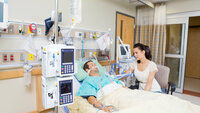
A calm atmosphere with single rooms, flexible visiting hours and trust in the healthcare personnel can help the family members to serve as a resource for heart surgery patients with a prolonged stay in intensive care.
Normalisation Process Theory can be used to assess the prerequisites for ensuring that a new intervention becomes established practice.
A systematic literature review shows that six competence areas play a key role in enabling health personnel to give patients and service users good outcomes from self-management programmes.
Video communication technology used in the context of reablement / telerehabilitation can facilitate access to nursing staff in a municipality, and enable users to stay at home longer.
Guided Self-Determination (GSD) can help improve the counselling skills of registered nurses. It can also encourage patients to reflect on their own communication skills.
It is challenging for community nurses to screen their patients’ nutritional risk because the guidelines fail to take sufficient account of the domestic arena.
Social media can trigger both positive and negative emotions, depending on whether women compare themselves with idealised or realistic body types.
They no longer need to always be looking for their next fix and have more time and money. Even though the treatment programme is challenging, they feel a greater sense of freedom.