Incident reporting – a difficult balancing act
The purpose of reporting adverse incidents is not to point to scapegoats, but to increase patient safety. Nevertheless, many professionals fail to report unwanted incidents, a study shows.
The purpose of reporting adverse incidents is not to point to scapegoats, but to increase patient safety. Nevertheless, many professionals fail to report unwanted incidents, a study shows.
The postnatal period is a vulnerable time that involves reorientation and new experiences. Early visits by a midwife may therefore help enhance the women’s perception of coping.
Healthcare personnel find that they are better equipped to receive and treat trauma patients after taking the Course in Trauma Nursing.
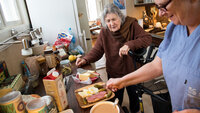
It is challenging for community nurses to screen their patients’ nutritional risk because the guidelines fail to take sufficient account of the domestic arena.
It may be beneficial to screen at-risk individuals for depressive symptoms and recognise that they may need more support from healthcare personnel.
Guided Self-Determination (GSD) can help improve the counselling skills of registered nurses. It can also encourage patients to reflect on their own communication skills.
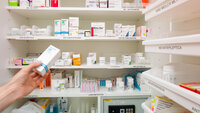
New reforms and time-consuming tasks such as cleaning, preparing food and poor ICT solutions mean that nurses give less priority to safety measures in connection with medication management.
The registered nurses demonstrated a higher level of competence than the nursing associates and healthcare assistants. However, scores were too low in all three groups in response to emergency scenarios.