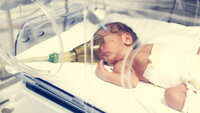
Encountering parents of a sick newborn child
When nurses encounter parents with a sick newborn child, it is vital that they see them as individuals and establish a relationship based on empathy.
When nurses encounter parents with a sick newborn child, it is vital that they see them as individuals and establish a relationship based on empathy.
Practice supervisors are of the opinion that the students need specially adapted arrangements for hospital work placements in order to complete their education.
Nurses can experience moral stress and feel a sense of shame when they are torn between a patient’s needs and the requirements of the treatment system. Ethical reflection in supervision can help.
Helath personnel can learn from the pain team when they have pharmacology-related questions and are drawing up treatment plans, and when they are establishing open and trusting relations with the patient.
The organisational form results in RNs working in greater isolation, and this may mean that their professional competence stagnates. The parents become the experts on the child – not the RNs.
Many registered nurses were unaware that generic substitution can only take place using an approved substitution list, or were uncertain how to use the Norwegian Pharmaceutical Compendium correctly.
Some nurses say nothing about the problem of smell in order to protect the service user. However, the silence of the nurses reinforces shame and loneliness.
The students gain an increased understanding of cultural differences by maintaining an open attitude and receiving explanations of cultural differences that they do not understand.
Patients fail to turn up for their treatment in private institutions if they feel inadequately involved, suffer dwindling motivation or feel pressurised into accepting the treatment.
Improved knowledge, adaptive frameworks and cooperation are essential for adapting patient and family education to appropriate health literacy levels.