Translation and cultural adaptation of the Attentional Function Index (AFI)
Involving a user and a professional translator may be appropriate when an instrument is translated and adapted to another culture.
Involving a user and a professional translator may be appropriate when an instrument is translated and adapted to another culture.
Nursing homes have had better routines, training of personnel, and access to testing and PPE during the coronavirus pandemic than the picture painted in the media.
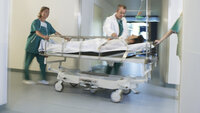
Too many patients had hypothermia both on admission, and one hour after admission, to a postoperative intensive care unit. Elderly patients and those who had undergone laparoscopic surgery were particularly at risk.
Ensuring a good patient trajectory is difficult. In order to be successful, it is essential that all healthcare professionals involved have a close, trust-based cooperation, also with patients and their families.
The method seems to be especially efficient for patients experiencing high initial pain intensities.
30–60 per cent of older adults in hospitals and nursing homes are malnourished. A well-suited screening tool is to detect the persons who are at risk of malnutrition.
Following the introduction of the Coordination Reform, nurses employed by the municipal health service have had to deal with a growing number of complex, patient-focused tasks. The need for professional development is considerable, but there is no overall strategy in place.
Student assistants taught the students in small groups and helped them to gain a better understanding of the subject content and inspired them to learn.
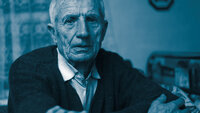
They should be on the lookout for risk factors such as functional impairment, loneliness, changing roles and the feeling of being a burden.
Anaesthesiology and intensive care nursing are regarded as practice-oriented professions. Can a master’s degree provide an equally high level of skill and theoretical knowledge as specialist training?