Health literacy in patient and family education – a thematic analysis
Improved knowledge, adaptive frameworks and cooperation are essential for adapting patient and family education to appropriate health literacy levels.
Improved knowledge, adaptive frameworks and cooperation are essential for adapting patient and family education to appropriate health literacy levels.
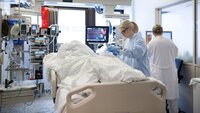
The patient’s experience of breathlessness often do not correspond with the seriousness of the condition.
Readmitted patients are older, but their mortality rate is almost equal to that of non-readmitted patients. Patients readmitted within 72 hours are more likely to have an incomplete written transfer report.
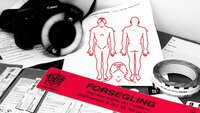
Registered nurses in Norwegian sexual assault reception centres participate in or perform all tasks in the emergency treatment of victims of sexual assault, including forensic tasks.
The postnatal period is a vulnerable time that involves reorientation and new experiences. Early visits by a midwife may therefore help enhance the women’s perception of coping.
Following the introduction of the Coordination Reform, nurses employed by the municipal health service have had to deal with a growing number of complex, patient-focused tasks. The need for professional development is considerable, but there is no overall strategy in place.
Patients undergoing gynaecological laparoscopies and anorectal procedures suffered the most nausea, while those who underwent major breast cancer surgery experienced the least nausea.
Some municipalities gave considerably more prominence to finances and day-to-day operations than safe and secure patient experiences.
Residents with pain suffered from several health issues and presented with physical as well as mental symptoms. Healthcare personnel can help by providing more effective and appropriate treatment and nursing care.
Teenage children’s diabetes diagnoses are an enormous emotional strain on mothers. They need support from healthcare personnel to cope with the stressful situation.