Safety measures for medication in nursing homes
New reforms and time-consuming tasks such as cleaning, preparing food and poor ICT solutions mean that nurses give less priority to safety measures in connection with medication management.
New reforms and time-consuming tasks such as cleaning, preparing food and poor ICT solutions mean that nurses give less priority to safety measures in connection with medication management.
The registered nurses demonstrated a higher level of competence than the nursing associates and healthcare assistants. However, scores were too low in all three groups in response to emergency scenarios.
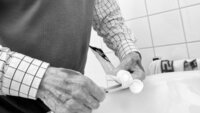
Slagpasienter med dårlig tannhelse har redusert livskvalitet.
Many medical records lacked information about nutritional risk, and few patients at nutritional risk were followed up.
The current practice of using oxygen therapy has proven to be incomplete.
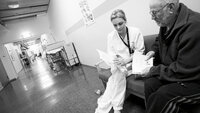
The out-of-hours doctor did not receive formal patient information in at least half of the doctor’s visits to nursing homes in Oslo. This may subject the patients to inappropriate treatment and unnecessary hospitalisation.
It is an ordeal to be diagnosed with and treated for testicular cancer. Various resources can help patients to handle the difficult situation more easily.
Normalisation Process Theory can be used to assess the prerequisites for ensuring that a new intervention becomes established practice.
Samarbeid med barnets sosiale nettverk allerede ved oppstarten av barnevernsaker kan spare tid og ressurser.
Kurs i helsepedagogikk gjør helsearbeidere mer bevisste sitt pedagogiske ansvar.