Stigmatisation and shame – a qualitative study of living with obesity
Healthcare personnel should treat obese people with openness and without prejudice. By doing so, they can help them develop a resistance to shame.
Healthcare personnel should treat obese people with openness and without prejudice. By doing so, they can help them develop a resistance to shame.
Norwegian health care personnel find the systematic follow-up of care pathways and the collaboration with the primary health service to be poorer than other organizational areas.
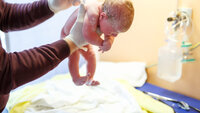
Weight measurement provides an indication of the well-being, nutrition and health of children and adolescents. It is therefore important that the scale that is used provides precise measurements.
Course participants learn to shift their attention from disease to health, from a critical to an accepting attitude about themselves, and from despair to hope and belief in their own ability to cope.
Improved knowledge, adaptive frameworks and cooperation are essential for adapting patient and family education to appropriate health literacy levels.
People with genetic aortopathies should be given information on their diagnosis and support to find safe, enjoyable activities. Many also need psychosocial support.
It will be more difficult to observe patients and perform clinical assessments. Nor do all patients have sufficiently good digital skills or adequate health literacy.
Patients fail to turn up for their treatment in private institutions if they feel inadequately involved, suffer dwindling motivation or feel pressurised into accepting the treatment.
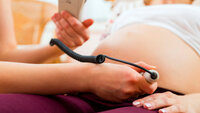
Quality improvement measures led to midwives reducing the use of cardiotocography (CTG) on admission by 47 per cent. Nevertheless, they continued to use CTG more often than necessary.
From 2000 to 2006, the number of planned vaginal deliveries fell; numbers started rising again nearer 2012. Practice was probably influenced by the Term Breech Trial.