Co-ordinated collaborative meetings as patients transition from the psychogeriatric health service
Collaborative interdisciplinary meetings may increase the mutual respect between health professionals and provide more knowledge about the patient.
Collaborative interdisciplinary meetings may increase the mutual respect between health professionals and provide more knowledge about the patient.
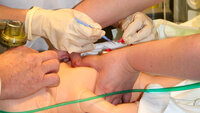
Simulation-based team training improves quality of patient care, but the training should be a planned activity.
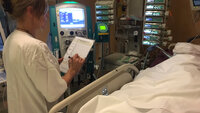
Intensive care patients often suffer from undertreated pain. A pain assessment tool in a Norwegian version may increase the quality of patient treatment.
Surgical departments and educational institutions lack an organisational structure and culture that supports evidence-based practice. This may affect patient safety.
Young girls want information about bleeding and irregular bleeding in relation to use of the contraceptive pill.
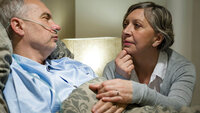
Establishing an individual care plan at an early stage of palliative care gives relatives hope and support. They also feel seen and their burden of responsibility is lessened.
They are ever on the alert vis-à-vis their daughter, suffer loneliness and feel that the eating disorder is taking over their home.
There is no difference in functional disability between women and men after having a stroke.
Student assistants taught the students in small groups and helped them to gain a better understanding of the subject content and inspired them to learn.
The patients accepted being asked about their alcohol habits and being referred to an alcohol and drug counsellor. The under-60s were more positive.