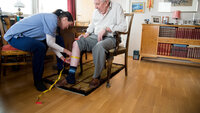
Nutritional screening in home-based nursing care can be improved
In order to meet the challenges associated with undernutrition in elderly patients who receive home-based nursing care, it is necessary to screen for nutritional status.
In order to meet the challenges associated with undernutrition in elderly patients who receive home-based nursing care, it is necessary to screen for nutritional status.
De-escalation training improved students’ de-escalation skills and boosted their confidence in coping with patient aggression.
More knowledge of the symptoms of delirium in this vulnerable patient group may lead to a better neurological outcome and prevent unnecessary testing, shorten hospital stays and lower mortality.
When public health nurses use the EPDS screening tool in addition to their gut feeling and clinical judgment, they identify more mothers who need help.
While the illness is potentially life-threatening, it is invisible and not well known. Consequently, patients may be mistrusted and ignored, and they may feel inferior, vulnerable and insecure.
The experiences gained during a student exchange in Tanzania have subsequently had a major impact on the nurses’ personal and professional development.
Nursing homes have had better routines, training of personnel, and access to testing and PPE during the coronavirus pandemic than the picture painted in the media.
Women with recurrent ovarian cancer endure their disease by finding solace in the hope of recovery. How can nurses provide consolation?
Despite staff calling patients prior to the admission date, the proportion who presented for treatment did not increase. Nevertheless, it was a useful exercise for exchanging information and building relations.
From 2000 to 2006, the number of planned vaginal deliveries fell; numbers started rising again nearer 2012. Practice was probably influenced by the Term Breech Trial.