Lecturers’ experiences with supervising nursing students in clinical practice during the COVID-19 pandemic
They wanted clear guidelines and procedures and felt forced to digitise their work.
They wanted clear guidelines and procedures and felt forced to digitise their work.
Family caregivers will need correct and relevant information and support from health care professionals to perform the significant caring role they have to take on.
Healthcare personnel who work with parents who are mentally ill or have substance abuse problems are uncertain about their role. The support that the children receive can therefore be haphazard.
Readmitted patients are older, but their mortality rate is almost equal to that of non-readmitted patients. Patients readmitted within 72 hours are more likely to have an incomplete written transfer report.
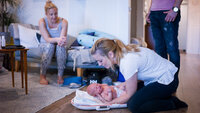
The postnatal period is a vulnerable time that involves reorientation and new experiences. Early visits by a midwife may therefore help enhance the women’s perception of coping.
Nursing homes have had better routines, training of personnel, and access to testing and PPE during the coronavirus pandemic than the picture painted in the media.
Close relatives help patients to live at home longer and are an important resource for the welfare state. But they can also contribute to an unfair allocation of nursing home beds by advocating for their own family members.
The experiences gained during a student exchange in Tanzania have subsequently had a major impact on the nurses’ personal and professional development.
Makten og avmakten som ligger i rollene der legen er ekspert og pasienten hjelpetrengende, påvirker kommunikasjonen og samhandlingen under legevisitten.
The supervision model was tested in this field for the first time. The lecturer provided guidance for the practice supervisors.