Culturally adapted validated translation of the NIHSS
The translated NIHSS form and guide remain true to the English version and are harmonised with the non-validated Norwegian version.
The translated NIHSS form and guide remain true to the English version and are harmonised with the non-validated Norwegian version.
Close relatives help patients to live at home longer and are an important resource for the welfare state. But they can also contribute to an unfair allocation of nursing home beds by advocating for their own family members.
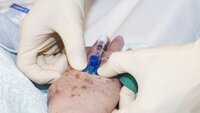
It can be almost impossible to insert a needle in the case of some patients. Moreover, registered nurses have many work tasks to carry out at the same time in different places, and this can reduce concentration.
Improved knowledge, adaptive frameworks and cooperation are essential for adapting patient and family education to appropriate health literacy levels.
Mothers who engaged with the ‘New families’ home visit programme, had more frequent contact with child health centres. But more than a third of all the mothers reported that they had received inadequate information from public authorities about the child health centre’s services.
Participation in cancer and palliative care networks increased the registered nurses’ competence. Staff exchange training schemes and frequent participation in clinical practice days were also highly beneficial.
Urine dispsticks are frequently used in the clinic to diagnose urinary tract infection in elderly patients even though the urine disptick does not distinguish between urinary tract infection and asymptomatic baceriuria.
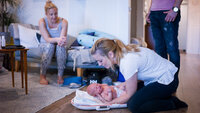
The postnatal period is a vulnerable time that involves reorientation and new experiences. Early visits by a midwife may therefore help enhance the women’s perception of coping.
The patients accepted being asked about their alcohol habits and being referred to an alcohol and drug counsellor. The under-60s were more positive.
Healthcare personnel in interdisciplinary teams believed that registered nurses made a distinct and recognised contribution to the collaborative effort. In particular, they valued the registered nurses’ somatic knowledge and their milieu therapy expertise.