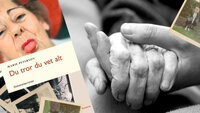
A daughter’s experience when her mother is struck by dementia
Healthcare personnel who interact with patients and their families can learn from the families’ experiences when a loved one is affected by dementia.
Healthcare personnel who interact with patients and their families can learn from the families’ experiences when a loved one is affected by dementia.
A successful kidney-pancreas transplantation improves and stabilises patients’ daily lives. It also brings with it new elements of uncertainty that are important to convey to the patient.
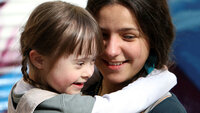
Parents who unexpectedly have a child with Down’s syndrome can interact with the child in a more constructive way when healthcare personnel talk to them in a positive manner immediately following the birth.
They no longer need to always be looking for their next fix and have more time and money. Even though the treatment programme is challenging, they feel a greater sense of freedom.
Normalisation Process Theory can be used to assess the prerequisites for ensuring that a new intervention becomes established practice.
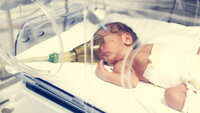
When nurses encounter parents with a sick newborn child, it is vital that they see them as individuals and establish a relationship based on empathy.
Both students in clinical nursing education and their preceptors think that the assessment form, which is based on the principles of the AssCE form, can be used as a model to assess the students.
Many municipal in-patient acute care units do not use scoring tools as part of registered nurses’ decision-making basis.
Helath personnel can learn from the pain team when they have pharmacology-related questions and are drawing up treatment plans, and when they are establishing open and trusting relations with the patient.
While the illness is potentially life-threatening, it is invisible and not well known. Consequently, patients may be mistrusted and ignored, and they may feel inferior, vulnerable and insecure.