Palliative patients get greater relief from early screening of symptoms and implementation of measures
Fatigue, dry mouth and loss of appetite are the most distressing symptoms, according to a screening with the ESAS tool.
Fatigue, dry mouth and loss of appetite are the most distressing symptoms, according to a screening with the ESAS tool.
Patients undergoing gynaecological laparoscopies and anorectal procedures suffered the most nausea, while those who underwent major breast cancer surgery experienced the least nausea.
Teenage children’s diabetes diagnoses are an enormous emotional strain on mothers. They need support from healthcare personnel to cope with the stressful situation.
The learning outcome improved when digital resources were combined with teacher-led activities in lectures. Working in a social setting and participating in group work also had a positive effect on students’ learning.
It did not affect discharge destinations or survival.
Healthcare personnel who work with parents who are mentally ill or have substance abuse problems are uncertain about their role. The support that the children receive can therefore be haphazard.
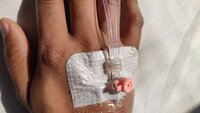
Some problems with PIVCs increased during the pandemic, such as the occurrence of purulence and loose dressings.
The study shows that nursing home residents largely wish to participate in activities where they are active.
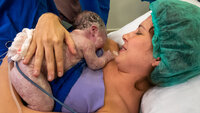
Most women in labour with intrapartum fever receive the correct treatment on suspicion of infection. But in 28 per cent of cases, antibiotic therapy is initiated unnecessarily or too early.
Women with recurrent ovarian cancer endure their disease by finding solace in the hope of recovery. How can nurses provide consolation?