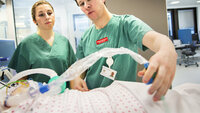
Oxygen therapy for children in hospitals
The current practice of using oxygen therapy has proven to be incomplete.
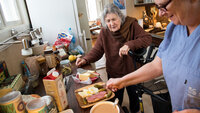
It is challenging for community nurses to screen their patients’ nutritional risk because the guidelines fail to take sufficient account of the domestic arena.
Whether the therapist at the district psychiatric centre was a psychologist, psychiatrist or psychiatric nurse seemed to have little bearing on the outcome.
Only one guideline detailed a practical and systematic set-up of instrument tables.
Nurses report that the end-of-life nursing care provided in nursing homes calls on staff to provide “more of everything”, and that nurses feel they are “left to deal with everything on their own”. This situation must be taken seriously, organisationally and policywise.
It is challenging to treat children in a general intensive care unit intended for adults. Good training, good cooperation, and fulfilling children’s needs are valuable measures.
Anaesthetic nurses found that the children were easier to wake preoperatively and that their awakenings were calmer and less painful.
Healthcare personnel can make decisions about the admission basis and treatment needs or hold care coordination meetings with the service user, and the community mental health centre and municipalities can establish accountability or negotiate responsibility, and determine which measures to implement.
PEWS promotes a systematic approach to monitoring and better communication in paediatric departments, but there is a need to follow up and improve guidelines and quality-assurance activities.
By adopting a new supervision model, nurse managers acquired more positive attitudes towards students and started paying more attention to nursing issues.