Surgical nurses lack the time and competence to work in an evidence-based manner
Surgical departments and educational institutions lack an organisational structure and culture that supports evidence-based practice. This may affect patient safety.
Most of those who work part time choose to do so for reasons of lifestyle or family values. However, sociable working hours and professional challenges may provide the motivation required for some to increase their full-time equivalent percentage.
Urine dispsticks are frequently used in the clinic to diagnose urinary tract infection in elderly patients even though the urine disptick does not distinguish between urinary tract infection and asymptomatic baceriuria.
The instrument measures the collaboration between healthcare personnel and the relatives of frail elderly patients in acute hospital wards. Having a Norwegian version of the instrument will mean it can be used in our clinical practice and research.
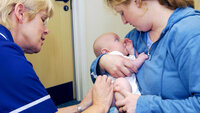
Mothers who engaged with the ‘New families’ home visit programme, had more frequent contact with child health centres. But more than a third of all the mothers reported that they had received inadequate information from public authorities about the child health centre’s services.
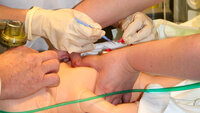
PEWS promotes a systematic approach to monitoring and better communication in paediatric departments, but there is a need to follow up and improve guidelines and quality-assurance activities.
Guidelines that were not regarded as professionally sound, logical and relevant or in keeping with one’s own clinical experiences or feelings were more difficult to follow.
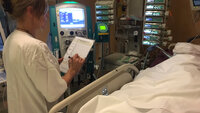
The bereaved felt that they maintained a bond with their deceased family member through diaries that had been kept for the patients during their stay in ICU. The diaries also helped impart structure on a chaotic time and made it easier for the bereaved to vent their feelings.
Young girls want information about bleeding and irregular bleeding in relation to use of the contraceptive pill.
De-escalation training improved students’ de-escalation skills and boosted their confidence in coping with patient aggression.