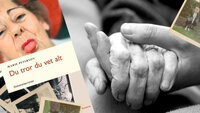
A daughter’s experience when her mother is struck by dementia
Healthcare personnel who interact with patients and their families can learn from the families’ experiences when a loved one is affected by dementia.
Healthcare personnel who interact with patients and their families can learn from the families’ experiences when a loved one is affected by dementia.
Too many patients had hypothermia both on admission, and one hour after admission, to a postoperative intensive care unit. Elderly patients and those who had undergone laparoscopic surgery were particularly at risk.
Involving a user and a professional translator may be appropriate when an instrument is translated and adapted to another culture.
When ESAS is routinely used to map symptoms, the patients experience greater symptom relief and a better quality of life. However, not everyone uses the tool systematically.
A calm atmosphere with single rooms, flexible visiting hours and trust in the healthcare personnel can help the family members to serve as a resource for heart surgery patients with a prolonged stay in intensive care.
National and multi-regional hospitals appear to use procedures for set-up of instruments in the sterile field more often than local and regional hospitals.
Parents who unexpectedly have a child with Down’s syndrome can interact with the child in a more constructive way when healthcare personnel talk to them in a positive manner immediately following the birth.
A systematic literature review shows that six competence areas play a key role in enabling health personnel to give patients and service users good outcomes from self-management programmes.
Readmitted patients are older, but their mortality rate is almost equal to that of non-readmitted patients. Patients readmitted within 72 hours are more likely to have an incomplete written transfer report.
The Multidimensional Dyspnea Profile is the first instrument in Norwegian that measures multiple dimensions of dyspnoea, regardless of underlying medical conditions.