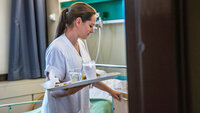
Electronic message exchange for patients discharged from hospital
Whereas «PLO»-messages serve as a beneficial communication tool, they have to be supplemented with oral communication and meetings.
Whereas «PLO»-messages serve as a beneficial communication tool, they have to be supplemented with oral communication and meetings.
Most of those who work part time choose to do so for reasons of lifestyle or family values. However, sociable working hours and professional challenges may provide the motivation required for some to increase their full-time equivalent percentage.
They feel like a burden on resources and have a need for care and real co-determination.
New reforms and time-consuming tasks such as cleaning, preparing food and poor ICT solutions mean that nurses give less priority to safety measures in connection with medication management.
Public health nurses consider themselves to be adept at finding and assessing national guidelines, but feel less proficient at assessing research-based knowledge.
Many medical records lacked information about nutritional risk, and few patients at nutritional risk were followed up.
Parents who unexpectedly have a child with Down’s syndrome can interact with the child in a more constructive way when healthcare personnel talk to them in a positive manner immediately following the birth.
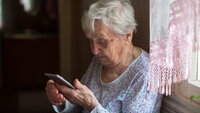
Almost 84% of people over the age of 70 used a computer, smartphone or tablet to maintain contact with their friends and social networks. Only 8% used these media to contact healthcare personnel.
Both students in clinical nursing education and their preceptors think that the assessment form, which is based on the principles of the AssCE form, can be used as a model to assess the students.
While the illness is potentially life-threatening, it is invisible and not well known. Consequently, patients may be mistrusted and ignored, and they may feel inferior, vulnerable and insecure.