Mobile app as a fetal monitoring aid – a pilot study
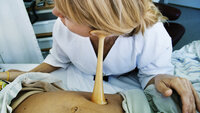
Many midwives do not feel confident in using fetal stethoscopes. A mobile app that displays the heart rate makes them feel more confident when it is used together with the stethoscope.
Many midwives do not feel confident in using fetal stethoscopes. A mobile app that displays the heart rate makes them feel more confident when it is used together with the stethoscope.
Almost 84% of people over the age of 70 used a computer, smartphone or tablet to maintain contact with their friends and social networks. Only 8% used these media to contact healthcare personnel.
Parents who unexpectedly have a child with Down’s syndrome can interact with the child in a more constructive way when healthcare personnel talk to them in a positive manner immediately following the birth.
They no longer need to always be looking for their next fix and have more time and money. Even though the treatment programme is challenging, they feel a greater sense of freedom.
Normalisation Process Theory can be used to assess the prerequisites for ensuring that a new intervention becomes established practice.
The recently developed app APPETITT can inspire to a varied diet and increase the attention to dietary habits for home-dwelling elderly.
Interventions such as reminders, direct observations and hand hygiene facilitation lead to fewer outbreaks.
Nurses can experience moral stress and feel a sense of shame when they are torn between a patient’s needs and the requirements of the treatment system. Ethical reflection in supervision can help.
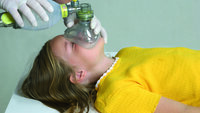
The study’s informants were particularly apprehensive about critical emergencies and unsure how to use medical equipment such as bag valve masks.
The Multidimensional Dyspnea Profile is the first instrument in Norwegian that measures multiple dimensions of dyspnoea, regardless of underlying medical conditions.