Nutritional screening in home-based nursing care can be improved
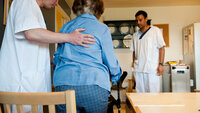
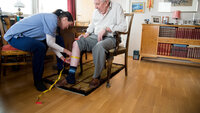
In order to meet the challenges associated with undernutrition in elderly patients who receive home-based nursing care, it is necessary to screen for nutritional status.
In order to meet the challenges associated with undernutrition in elderly patients who receive home-based nursing care, it is necessary to screen for nutritional status.
They wanted clear guidelines and procedures and felt forced to digitise their work.
Registered nurses noted a greater number of clinical signs of infection in infants with catheter-related bloodstream infections (CRBSI) than in infants without such infections. However, not all observations were documented.
Healthcare personnel who work with parents who are mentally ill or have substance abuse problems are uncertain about their role. The support that the children receive can therefore be haphazard.
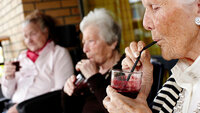
Health personnel find that high-energy smoothies do not always have the intended effect. Some patients become obstipated or nauseous, and undernourished patients do not gain weight.
A successful kidney-pancreas transplantation improves and stabilises patients’ daily lives. It also brings with it new elements of uncertainty that are important to convey to the patient.
PEWS promotes a systematic approach to monitoring and better communication in paediatric departments, but there is a need to follow up and improve guidelines and quality-assurance activities.
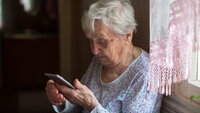
Almost 84% of people over the age of 70 used a computer, smartphone or tablet to maintain contact with their friends and social networks. Only 8% used these media to contact healthcare personnel.
Healthcare personnel should treat obese people with openness and without prejudice. By doing so, they can help them develop a resistance to shame.
By adopting a new supervision model, nurse managers acquired more positive attitudes towards students and started paying more attention to nursing issues.