Perceptions of postnatal care after emergency caesarean sections
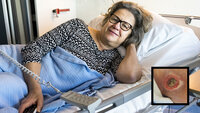
Women who had given birth by caesarean section often downplayed their own complaints, felt left to their own devices and received invaluable assistance from their partner.
Intensive care patients often suffer from undertreated pain. A pain assessment tool in a Norwegian version may increase the quality of patient treatment.
Simulation-based team training improves quality of patient care, but the training should be a planned activity.
Different perspectives on what to prioritise, characterise the cooperation.
Some municipalities gave considerably more prominence to finances and day-to-day operations than safe and secure patient experiences.
Healthcare personnel in interdisciplinary teams believed that registered nurses made a distinct and recognised contribution to the collaborative effort. In particular, they valued the registered nurses’ somatic knowledge and their milieu therapy expertise.
Anaesthetic nurses found that the children were easier to wake preoperatively and that their awakenings were calmer and less painful.
The ALERT training programme raised the competence level of healthcare personnel in the municipal health service and is likely to have increased their job satisfaction.
Surgical patients are exposed to heat loss, which can lead to complications such as increased oxygen demand, higher infection risk and cardiovascular problems.
Varmepute kan virke smertelindrende for kvinner som har gjennomgått kirurgiske inngrep.