Where have all the nurses gone? A register-based analysis
This study shows that there is no large reserve of nurses. The vast majority hold relevant positions, but without direct patient contact.
This study shows that there is no large reserve of nurses. The vast majority hold relevant positions, but without direct patient contact.
By adopting a new supervision model, nurse managers acquired more positive attitudes towards students and started paying more attention to nursing issues.
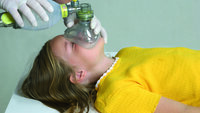
The study’s informants were particularly apprehensive about critical emergencies and unsure how to use medical equipment such as bag valve masks.
Guidelines that were not regarded as professionally sound, logical and relevant or in keeping with one’s own clinical experiences or feelings were more difficult to follow.
There is no difference in functional disability between women and men after having a stroke.
Collaborative interdisciplinary meetings may increase the mutual respect between health professionals and provide more knowledge about the patient.
Mothers who engaged with the ‘New families’ home visit programme, had more frequent contact with child health centres. But more than a third of all the mothers reported that they had received inadequate information from public authorities about the child health centre’s services.
Recruitment to the Cardiac Rehabilitation Programme seems to be somewhat random and ‘the main concern is to get the patients on the list’. Health professionals should communicate better among themselves and prepare guidelines for recruitment.
RNs in the primary healthcare service showed that they can be highly adaptable in a crisis. Preparedness, infection control plans and support in their daily work were critical to how well they dealt with the pandemic.
Healthcare personnel find that they are better equipped to receive and treat trauma patients after taking the Course in Trauma Nursing.