Nutritional screening in home-based nursing care can be improved
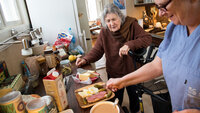
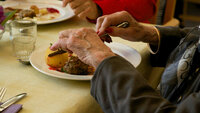
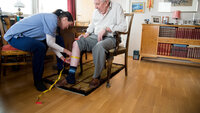
In order to meet the challenges associated with undernutrition in elderly patients who receive home-based nursing care, it is necessary to screen for nutritional status.
In order to meet the challenges associated with undernutrition in elderly patients who receive home-based nursing care, it is necessary to screen for nutritional status.
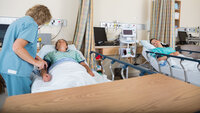
Mobile intensive care nurses are called out to hospital wards when a patient’s condition is showing signs of deterioration. When are they called out, and what measures do they initiate?
It is challenging for community nurses to screen their patients’ nutritional risk because the guidelines fail to take sufficient account of the domestic arena.
For nurses to be able to attend to their patients’ nutritional status in the best possible way, they need a regular nursing home doctor who knows the nutritional wishes and needs of individual patients.
It did not affect discharge destinations or survival.
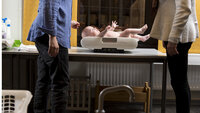
Weight measurement provides an indication of the well-being, nutrition and health of children and adolescents. It is therefore important that the scale that is used provides precise measurements.
Healthcare personnel in interdisciplinary teams believed that registered nurses made a distinct and recognised contribution to the collaborative effort. In particular, they valued the registered nurses’ somatic knowledge and their milieu therapy expertise.
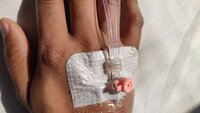
Some problems with PIVCs increased during the pandemic, such as the occurrence of purulence and loose dressings.
Nurses with Norwegian as their mother tongue use a larger, and more nuanced repertoire in handover reports than those with Norwegian as a second language. However, they document numerical information in almost the same way.
Despite staff calling patients prior to the admission date, the proportion who presented for treatment did not increase. Nevertheless, it was a useful exercise for exchanging information and building relations.