Co-ordinated collaborative meetings as patients transition from the psychogeriatric health service
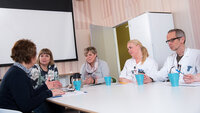
Collaborative interdisciplinary meetings may increase the mutual respect between health professionals and provide more knowledge about the patient.
Collaborative interdisciplinary meetings may increase the mutual respect between health professionals and provide more knowledge about the patient.
Nurses’ psychosocial challenges are transformed into something private and personal instead of being solved at an overarching level in the organisation.
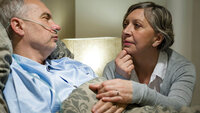
Establishing an individual care plan at an early stage of palliative care gives relatives hope and support. They also feel seen and their burden of responsibility is lessened.
In the last twenty years, PhD theses in nursing science at the University of Oslo (UiO) have changed in terms of methodology, authorship and theoretical approach. Has the research become less patient-centred and patient-oriented?
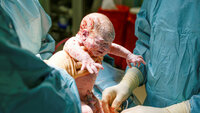
Women who had given birth by caesarean section often downplayed their own complaints, felt left to their own devices and received invaluable assistance from their partner.
National and multi-regional hospitals appear to use procedures for set-up of instruments in the sterile field more often than local and regional hospitals.
Healthcare personnel found it challenging to judge what was in the child’s best interest. The child’s right to autonomy and involvement was often not heeded, and the child was rarely included in the decision-making process.
Fatigue, dry mouth and loss of appetite are the most distressing symptoms, according to a screening with the ESAS tool.
The postnatal period is a vulnerable time that involves reorientation and new experiences. Early visits by a midwife may therefore help enhance the women’s perception of coping.
Group-based self-management programmes make it easier to cope with the disease. However, half of all patients decline to participate in such programmes.