Hjelp til røykeslutt
Sykepleiere har en nøkkelrolle når det gjelder å hjelpe pasienter med røykeslutt. Men vi trenger kunnskaper, ferdigheter og verktøy.
Sykepleiere har en nøkkelrolle når det gjelder å hjelpe pasienter med røykeslutt. Men vi trenger kunnskaper, ferdigheter og verktøy.
Høyere lønnsvekst, mot mer fleksible arbeidstider. Det er Anne-Kari Brattens oppskrift for sykepleierne.
Spekters nye sjef svarer på 45 spørsmål fra Sykepleien.
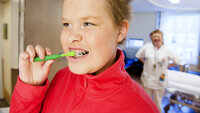
Barn og unge som får cellegift kan godt bruke tannbørste.
Pasientenes livsfortellinger gir innsikt som brukes for å tilpasse pleien.
De lærer av sine medstudenter og trener på ferdigheter de ikke tør å prøve på i klinisk praksis.
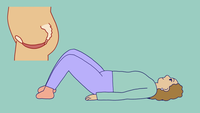
Informasjonen på etterkontrollen handler mest om seksualitet og prevensjon, og lite om bekkenbunnsplager.
Operasjonssykepleieres evne til situasjonsforståelse og kommunikasjon kan redusere uheldige hendelser på operasjonsstua.
Tunge løft og utstyr som ikke er tilpasset personer med fedme, fører til at sykepleiere er redd for sin egen helse. De ønsker også mer kompetanse i kommunikasjon med en slik sårbar gruppe.
Eit samarbeidsprosjekt konkluderer med at Facebook kan fungere godt for studentane til å utveksle erfaringar virtuelt. Men det krev at lærarane er tydelege i si rolle som fasilitatorar.
Et nytt samtaleverktøy gir sykepleiere økt kunnskap om betydningen av å snakke om seksuell helse med pasienter med revmatisk sykdom.