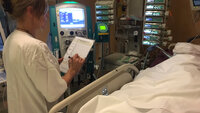
The CPOT – a tool for pain assessment for intensive care patients
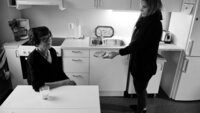
Intensive care patients often suffer from undertreated pain. A pain assessment tool in a Norwegian version may increase the quality of patient treatment.
Intensive care patients often suffer from undertreated pain. A pain assessment tool in a Norwegian version may increase the quality of patient treatment.
30–60 per cent of older adults in hospitals and nursing homes are malnourished. A well-suited screening tool is to detect the persons who are at risk of malnutrition.
Parents in NICUs report good follow-up from contact nurses and doctors, as well as a high level of self-efficacy after discharge. However, parental guidance should be strengthened in some areas.
The ALERT training programme raised the competence level of healthcare personnel in the municipal health service and is likely to have increased their job satisfaction.
Healthcare personnel who work with parents who are mentally ill or have substance abuse problems are uncertain about their role. The support that the children receive can therefore be haphazard.
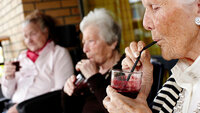
Health personnel find that high-energy smoothies do not always have the intended effect. Some patients become obstipated or nauseous, and undernourished patients do not gain weight.
Healthcare personnel who interact with patients and their families can learn from the families’ experiences when a loved one is affected by dementia.
The recently developed app APPETITT can inspire to a varied diet and increase the attention to dietary habits for home-dwelling elderly.
A large proportion of the residents at nursing homes did not receive a medication review when they were admitted, despite this being a statutory requirement.
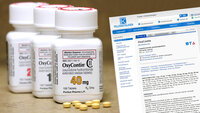
Many registered nurses were unaware that generic substitution can only take place using an approved substitution list, or were uncertain how to use the Norwegian Pharmaceutical Compendium correctly.