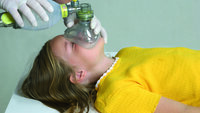
Prehospital healthcare personnel are apprehensive about paediatric airway management
The study’s informants were particularly apprehensive about critical emergencies and unsure how to use medical equipment such as bag valve masks.
The study’s informants were particularly apprehensive about critical emergencies and unsure how to use medical equipment such as bag valve masks.
A large proportion of the residents at nursing homes did not receive a medication review when they were admitted, despite this being a statutory requirement.
Patients move quickly between different units during the surgical pathway. Older patients in particular are at risk of suffering related to care such as violations of dignity, neglect and poor pain management.
Involving a user and a professional translator may be appropriate when an instrument is translated and adapted to another culture.
They observe eye contact, comforting and other behaviours based on experience rather than by making use of recognised instruments. Their assessments are influenced by professional development opportunities, a heavy workload and interdisciplinary collaboration.
Nursing homes have had better routines, training of personnel, and access to testing and PPE during the coronavirus pandemic than the picture painted in the media.
Improved knowledge, adaptive frameworks and cooperation are essential for adapting patient and family education to appropriate health literacy levels.
Belonging to a team, flexibility and good systems for next-of-kin involvement create motivation.
Young girls want information about bleeding and irregular bleeding in relation to use of the contraceptive pill.
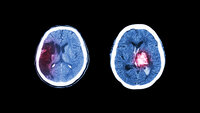
When nurses and healthcare personnel are able to identify which patients are particularly at risk of post-stroke fatigue, patients can be given the appropriate follow-up at the right time.