Culturally adapted validated translation of the NIHSS
The translated NIHSS form and guide remain true to the English version and are harmonised with the non-validated Norwegian version.
The translated NIHSS form and guide remain true to the English version and are harmonised with the non-validated Norwegian version.
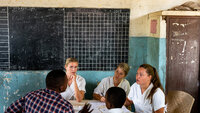
The experiences gained during a student exchange in Tanzania have subsequently had a major impact on the nurses’ personal and professional development.
Healthcare personnel need more knowledge regarding hearing loss and communication with deaf people. In addition, some healthcare personnel have negative attitudes towards this patient group.
The patient’s experience of breathlessness often do not correspond with the seriousness of the condition.
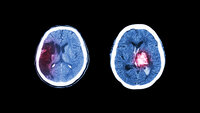
When nurses and healthcare personnel are able to identify which patients are particularly at risk of post-stroke fatigue, patients can be given the appropriate follow-up at the right time.
30–60 per cent of older adults in hospitals and nursing homes are malnourished. A well-suited screening tool is to detect the persons who are at risk of malnutrition.
Nurses are better at using their professional knowledge and applying research in their work following postgraduate study in evidence-based practice (EBP). Their belief in the value of such work also increases.
They feel like a burden on resources and have a need for care and real co-determination.
Although there are procedures for medication reconciliation, the process is challenging to implement and the allocation of responsibility is unclear.
The registered nurses demonstrated a higher level of competence than the nursing associates and healthcare assistants. However, scores were too low in all three groups in response to emergency scenarios.