Measures to improve nurses’ working environment often target individuals
Nurses’ psychosocial challenges are transformed into something private and personal instead of being solved at an overarching level in the organisation.
Nurses’ psychosocial challenges are transformed into something private and personal instead of being solved at an overarching level in the organisation.
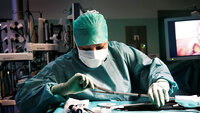
Surgical departments and educational institutions lack an organisational structure and culture that supports evidence-based practice. This may affect patient safety.
Healthcare personnel in interdisciplinary teams believed that registered nurses made a distinct and recognised contribution to the collaborative effort. In particular, they valued the registered nurses’ somatic knowledge and their milieu therapy expertise.
RNs in the primary healthcare service showed that they can be highly adaptable in a crisis. Preparedness, infection control plans and support in their daily work were critical to how well they dealt with the pandemic.
Anaesthetic nurses found that the children were easier to wake preoperatively and that their awakenings were calmer and less painful.
Whereas «PLO»-messages serve as a beneficial communication tool, they have to be supplemented with oral communication and meetings.
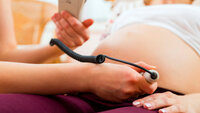
Quality improvement measures led to midwives reducing the use of cardiotocography (CTG) on admission by 47 per cent. Nevertheless, they continued to use CTG more often than necessary.
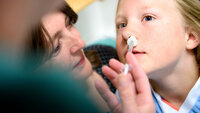
In order to identify children who need a referral to a speech therapist, public health nurses must pay attention to repetitions, blocks and prolongations in the child’s speech.
Although there are procedures for medication reconciliation, the process is challenging to implement and the allocation of responsibility is unclear.
Registered nurses taking a master’s degree and/or a postgraduate programme acquired relevant knowledge that they could use in their daily work in order to assist patients in the decision-making process.