Use of admission CTG in low-risk parous women: a clinical audit
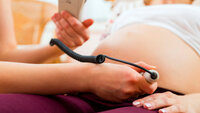
Quality improvement measures led to midwives reducing the use of cardiotocography (CTG) on admission by 47 per cent. Nevertheless, they continued to use CTG more often than necessary.
Quality improvement measures led to midwives reducing the use of cardiotocography (CTG) on admission by 47 per cent. Nevertheless, they continued to use CTG more often than necessary.
New reforms and time-consuming tasks such as cleaning, preparing food and poor ICT solutions mean that nurses give less priority to safety measures in connection with medication management.
It did not affect discharge destinations or survival.
There was no correlation between the total score for frailty measured by Share-FI and cognitive tests.
Heart disease increases the risk of depression. How can we best identify depressed cardiac patients?
The method seems to be especially efficient for patients experiencing high initial pain intensities.
The practice differs when midwives use medication to stimulate contractions rather than breast stimulation. Not all midwives classified the CTG or used a checklist for oxytocin stimulation.
They wanted clear guidelines and procedures and felt forced to digitise their work.
They believe that they have their highest level of competence within the competence area ‘Value-based nursing care’.
Many were redeployed to basic nursing roles and ancillary functions.