Evidence-based practice in nursing education
The study suggests that if evidence-based practice is taught systematically, it affects the students' learning outcome.
The study suggests that if evidence-based practice is taught systematically, it affects the students' learning outcome.
Nurses report that the end-of-life nursing care provided in nursing homes calls on staff to provide “more of everything”, and that nurses feel they are “left to deal with everything on their own”. This situation must be taken seriously, organisationally and policywise.
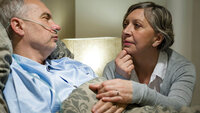
Establishing an individual care plan at an early stage of palliative care gives relatives hope and support. They also feel seen and their burden of responsibility is lessened.
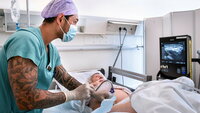
National and multi-regional hospitals appear to use procedures for set-up of instruments in the sterile field more often than local and regional hospitals.
Different perspectives on what to prioritise, characterise the cooperation.
It can be an enormous burden to be the next of kin of a substance abuser. Health personnel can help the next of kin to find strategies that maintain and improve their mental health.
Parents in NICUs report good follow-up from contact nurses and doctors, as well as a high level of self-efficacy after discharge. However, parental guidance should be strengthened in some areas.
Although there are procedures for medication reconciliation, the process is challenging to implement and the allocation of responsibility is unclear.
Guided Self-Determination (GSD) can help improve the counselling skills of registered nurses. It can also encourage patients to reflect on their own communication skills.
The method seems to be especially efficient for patients experiencing high initial pain intensities.