Health professionals’ expectations of e-consultations – a qualitative study
It will be more difficult to observe patients and perform clinical assessments. Nor do all patients have sufficiently good digital skills or adequate health literacy.
It will be more difficult to observe patients and perform clinical assessments. Nor do all patients have sufficiently good digital skills or adequate health literacy.
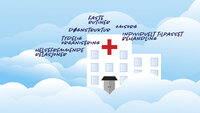
Patients dream of a living space with a predictable daily structure and clear organisation, where they receive individually tailored care and treatment, and where healthcare personnel enter into health-promoting relationships with them.
Whereas «PLO»-messages serve as a beneficial communication tool, they have to be supplemented with oral communication and meetings.
With the use of multidose electronic prescriptions, sources of error linked to paper-based solutions have been eradicated. However, it is still challenging to achieve optimal handling of medication.
The model helped to ensure that work placement supervisors were better prepared to welcome students, and this strengthened the quality of learning. However, this requires management support, as well as planning and professional resources.
Guided Self-Determination (GSD) can help improve the counselling skills of registered nurses. It can also encourage patients to reflect on their own communication skills.
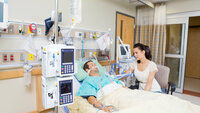
A calm atmosphere with single rooms, flexible visiting hours and trust in the healthcare personnel can help the family members to serve as a resource for heart surgery patients with a prolonged stay in intensive care.
Following the Care Coordination Reform, more frail elderly patients have died after discharge from hospitals to nursing homes and more have been discharged to return home.
They believe that they have their highest level of competence within the competence area ‘Value-based nursing care’.
Many medical records lacked information about nutritional risk, and few patients at nutritional risk were followed up.