Health education competence, self-management
A systematic literature review shows that six competence areas play a key role in enabling health personnel to give patients and service users good outcomes from self-management programmes.
A systematic literature review shows that six competence areas play a key role in enabling health personnel to give patients and service users good outcomes from self-management programmes.
The organisational form results in RNs working in greater isolation, and this may mean that their professional competence stagnates. The parents become the experts on the child – not the RNs.
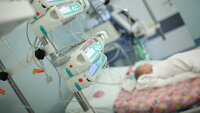
It is challenging to treat children in a general intensive care unit intended for adults. Good training, good cooperation, and fulfilling children’s needs are valuable measures.
Close relatives help patients to live at home longer and are an important resource for the welfare state. But they can also contribute to an unfair allocation of nursing home beds by advocating for their own family members.
The teaching assistants were second-year students themselves, and used academic competence, social engagement and creative methods. This made it easier for the nursing students to learn complex academic material.
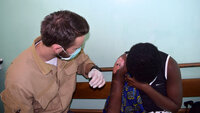
On returning home from their clinical placement in southern Africa, the nursing students missed having someone to share their intense experiences with.
Guided Self-Determination (GSD) can help improve the counselling skills of registered nurses. It can also encourage patients to reflect on their own communication skills.
Fatigue, dry mouth and loss of appetite are the most distressing symptoms, according to a screening with the ESAS tool.
Surgical departments and educational institutions lack an organisational structure and culture that supports evidence-based practice. This may affect patient safety.
Students who used this framework for communication conveyed more specific observations, gave fewer unfounded opinions, and experienced improvements in teamwork and patient safety.