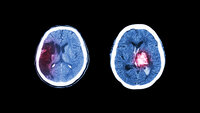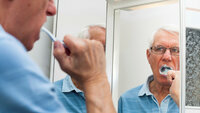
Impaired quality of life and oral function after a stroke. A qualitative study
Inadequate post-stroke follow-up of dental health led to reduced oral health and loss of teeth. Better interdisciplinary follow-up could probably have prevented it.
Inadequate post-stroke follow-up of dental health led to reduced oral health and loss of teeth. Better interdisciplinary follow-up could probably have prevented it.
Social media can trigger both positive and negative emotions, depending on whether women compare themselves with idealised or realistic body types.
When nurses and healthcare personnel are able to identify which patients are particularly at risk of post-stroke fatigue, patients can be given the appropriate follow-up at the right time.
Guided Self-Determination (GSD) can help improve the counselling skills of registered nurses. It can also encourage patients to reflect on their own communication skills.
They wanted clear guidelines and procedures and felt forced to digitise their work.
De-escalation training improved students’ de-escalation skills and boosted their confidence in coping with patient aggression.
They feel like a burden on resources and have a need for care and real co-determination.
The RPM tool is flexible for both nurses and patients and can have a positive impact on the relationship. But it can also cause extra work.
A successful kidney-pancreas transplantation improves and stabilises patients’ daily lives. It also brings with it new elements of uncertainty that are important to convey to the patient.
Inspirational practical training entails peer mentoring by third-year students. This provides a better understanding of the complexity of nursing and the relevance of the profession.