Kognitiv miljøterapi i kommunalt bofellesskap
Kognitiv miljøterapi ser ut til å være egnet som tilnærming til pasienter med psykiske helseproblemer både i spesialisthelsetjenesten og i kommunen.
Kognitiv miljøterapi ser ut til å være egnet som tilnærming til pasienter med psykiske helseproblemer både i spesialisthelsetjenesten og i kommunen.
De føler et stort ansvar for mottakernes sikkerhet og er derfor nøye med hva slags legemidler og naturpreparater de bruker.
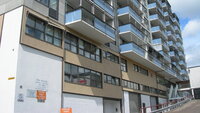
Kunne det ikke være en god idé å stable både lamme og blinde i en ti etasjers blokk på Oslos vestkant, tenkte byplanleggere en gang på 70-tallet.
Det var det ikke.
Hygienepersonell kan bidra til å forebygge sykehusinfeksjoner.
D-Catch er et granskningsinstrument for å vurdere sykepleiedokumentasjon. Prosessen med å tilpasse det til norsk språk og kultur innebar også videreutvikling.
Gjeldende praksis ved ordinasjon av oksygenbehandling har vist seg å være mangelfull.
De mistet muligheten til medbestemmelse og følte seg stigmatisert av helsepersonell utenfor avdelingen.
Legemidler som skal redusere sykdom og død blant pasienter som deltar i legemiddelassistert rehabilitering, blir solgt til rusmiddelbrukere. Sykepleiere kan forhindre at dette skjer.