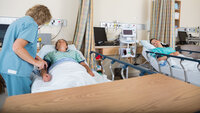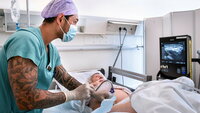
Nurse-performed ultrasound-guided nerve block for hip fracture patients
The method seems to be especially efficient for patients experiencing high initial pain intensities.
The method seems to be especially efficient for patients experiencing high initial pain intensities.
Mobile intensive care nurses are called out to hospital wards when a patient’s condition is showing signs of deterioration. When are they called out, and what measures do they initiate?
Nurses, social educators and pharmacists have reached a consensus on 77 standards for best practice in medication management in the nursing and care service.
Healthcare personnel need more knowledge regarding hearing loss and communication with deaf people. In addition, some healthcare personnel have negative attitudes towards this patient group.
Guided Self-Determination (GSD) can help improve the counselling skills of registered nurses. It can also encourage patients to reflect on their own communication skills.
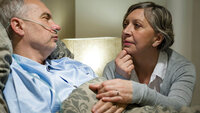
Establishing an individual care plan at an early stage of palliative care gives relatives hope and support. They also feel seen and their burden of responsibility is lessened.
Weight is one of the simplest measurements of nutritional status. Nevertheless, a number of personnel in the community nursing services lack knowledge about nutrition and good routines for weighing patients.
The learning outcome improved when digital resources were combined with teacher-led activities in lectures. Working in a social setting and participating in group work also had a positive effect on students’ learning.
Public health nurses consider themselves to be adept at finding and assessing national guidelines, but feel less proficient at assessing research-based knowledge.
30–60 per cent of older adults in hospitals and nursing homes are malnourished. A well-suited screening tool is to detect the persons who are at risk of malnutrition.