The importance of motivation for the quality of next-of-kin involvement – a qualitative study of managers and employees in primary care services
Belonging to a team, flexibility and good systems for next-of-kin involvement create motivation.
Belonging to a team, flexibility and good systems for next-of-kin involvement create motivation.
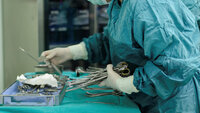
National and multi-regional hospitals appear to use procedures for set-up of instruments in the sterile field more often than local and regional hospitals.
Students who used this framework for communication conveyed more specific observations, gave fewer unfounded opinions, and experienced improvements in teamwork and patient safety.
Anaesthetic nurses found that the children were easier to wake preoperatively and that their awakenings were calmer and less painful.
The ALERT training programme raised the competence level of healthcare personnel in the municipal health service and is likely to have increased their job satisfaction.
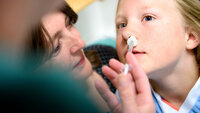
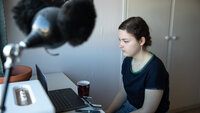
Few of the pupils had been informed that they could contact the school nurse during the school closure or had used the online chat service or helpline.
They feel like a burden on resources and have a need for care and real co-determination.
Although there are procedures for medication reconciliation, the process is challenging to implement and the allocation of responsibility is unclear.
New reforms and time-consuming tasks such as cleaning, preparing food and poor ICT solutions mean that nurses give less priority to safety measures in connection with medication management.
Patients and their caregivers experience less anxiety and worry. Healthcare personnel also had positive experiences with the telemedicine service.